
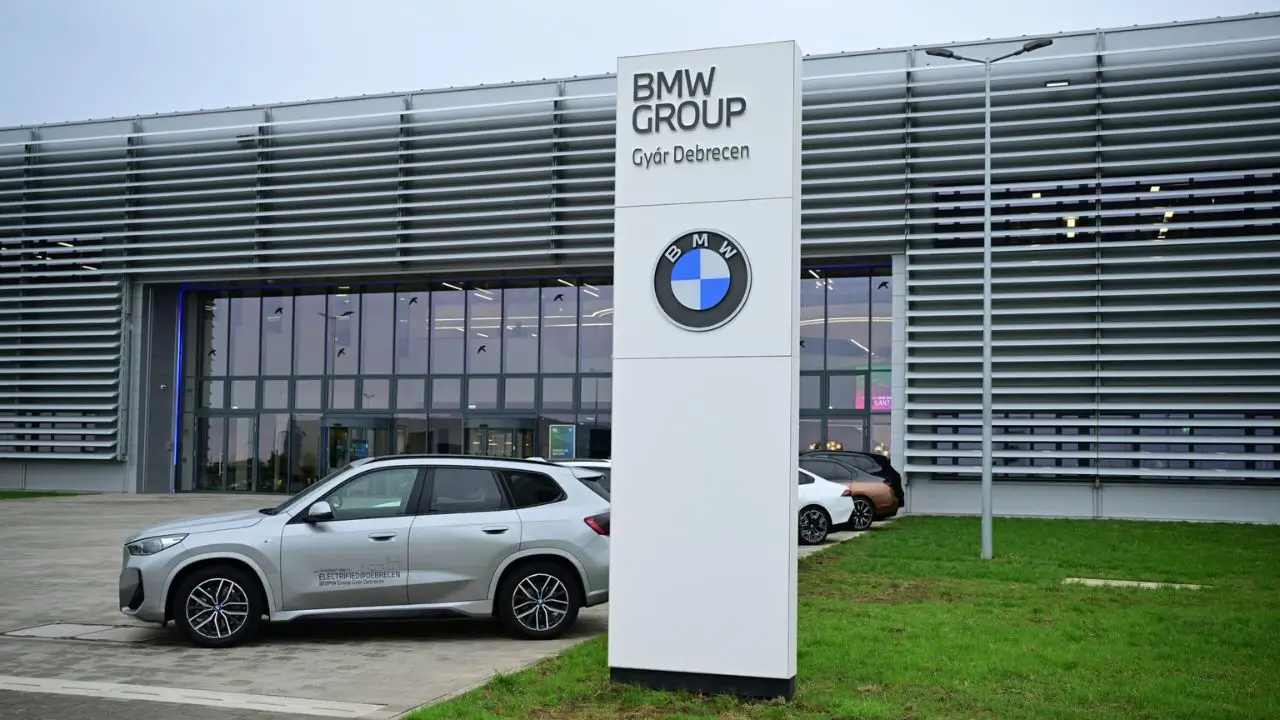
Europe’s premium carmakers are ramping up electric vehicle production as demand for next-generation electric SUVs continues to rise. Both BMW and Mercedes-Benz have confirmed accelerated production plans for their upcoming electric midsize SUVs—the BMW iX3 and the fully electric Mercedes-Benz GLC—after receiving stronger-than-expected customer orders. The move highlights diverging sales momentum between the two brands and underscores how crucial these models are to their electric strategies going into 2026.
Mercedes-Benz Electric GLC: Production in Full Swing
Mercedes-Benz officially unveiled the all-electric GLC at the IAA Mobility show in September, positioning it as one of the brand’s most important EV launches in years. Built on Mercedes’ EQ technology, the electric GLC is designed to replace combustion and hybrid versions over time, especially in Europe where emissions rules are tightening rapidly.
To meet demand, Mercedes has pushed the GLC EV into a three-shift production schedule at its Bremen plant in Germany. The company has also added extra shifts, signaling that initial capacity planning underestimated market interest. According to internal production timelines, the order backlog for the electric GLC now stretches well into the second half of 2026, meaning customers placing new orders today are likely to receive deliveries starting in the fall.
This strong response is particularly important for Mercedes-Benz. The company reported a decline in electric vehicle sales last year, partly due to slower demand for earlier EQ models. Executives are now betting heavily that newer products—especially the electric GLC and the upcoming electric CLA—will help reverse that trend and restore momentum in the premium EV segment.
BMW iX3: Neue Klasse Momentum Builds Early
BMW’s response to rising EV demand centers on the BMW iX3, the first production model based on the brand’s highly anticipated Neue Klasse platform. Like its Mercedes rival, the iX3 was also presented at IAA Mobility, where it drew strong interest from both private buyers and fleet customers.
BMW has confirmed that demand for the iX3 is already exceeding initial forecasts. As a result, the company has decided to accelerate production at its new Debrecen plant in Hungary, introducing an additional shift earlier than originally planned. The factory is central to BMW’s long-term electric strategy and will produce several Neue Klasse-based vehicles in the coming years.
Dealers are expected to start receiving the iX3 from March, giving BMW a slight timing advantage over Mercedes in some markets. According to company data, roughly one in three iX3 buyers are new to the BMW brand, an important indicator that the Neue Klasse architecture is helping BMW attract customers beyond its traditional base.
Range, Technology, and Positioning
On paper, both electric SUVs are closely matched. The BMW iX3 and the electric Mercedes GLC are each priced at around 70,000 euros, placing them firmly in the premium midsize segment. Both models measure approximately 4.8 meters in length, making them direct competitors in terms of size and usability.

Technologically, both vehicles feature 800-volt electrical architectures, enabling high charging speeds and improved efficiency. BMW has been especially vocal about the iX3’s range advantage, quoting a WLTP range of up to 805 kilometers, one of the highest figures in its class. Mercedes has not finalized official WLTP numbers publicly, but insiders suggest the electric GLC will be competitive, focusing on real-world efficiency rather than headline figures.
A Turning Point for Premium EV Sales
The contrasting sales trajectories of BMW and Mercedes provide important context. BMW recorded an increase in electric vehicle sales last year, supported by a broader lineup and consistent demand across multiple segments. Mercedes, by contrast, saw EV sales decline, prompting internal reassessment of its electric strategy.

The electric GLC is now viewed as a critical product for Mercedes’ recovery. As one of the brand’s best-selling nameplates in its combustion form, the GLC’s transition to full electrification could play a decisive role in determining Mercedes’ EV fortunes over the next two years.
What Comes Next
BMW’s Neue Klasse platform is expected to underpin up to eight different electric vehicles, with the iX3 leading the rollout. Mercedes, meanwhile, is aligning its electric SUVs and sedans more closely with mainstream model names rather than separate EQ branding, aiming for smoother customer adoption.
As production ramps up at Bremen and Debrecen, the BMW iX3 and electric Mercedes-Benz GLC are shaping up to be two of the most important electric SUVs in Europe’s premium market. With long order backlogs, factory expansions, and rising customer interest, both models signal that demand for well-executed electric SUVs is not slowing down—if anything, it’s accelerating.